
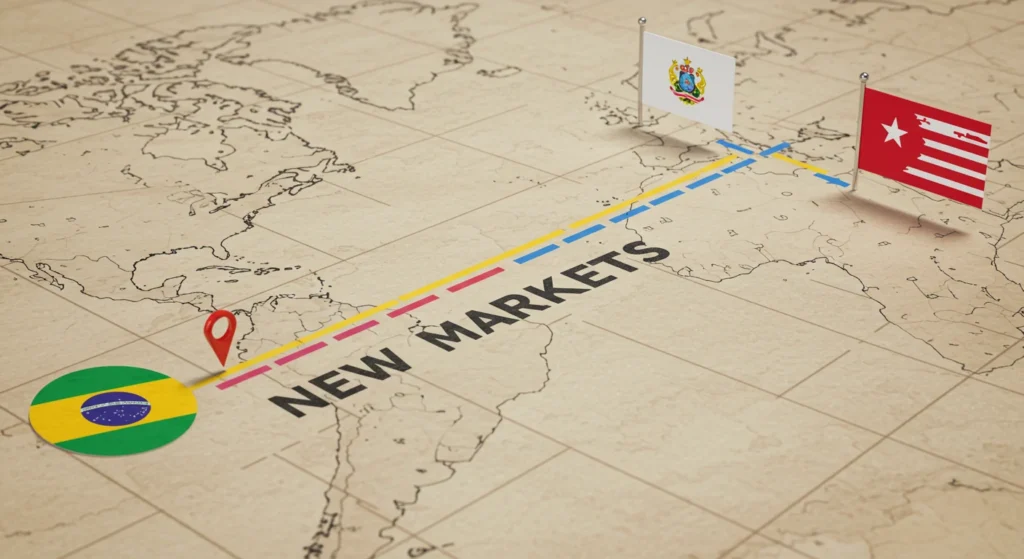
Understanding International Market Opportunities
Entering new international markets requires a thorough understanding of the opportunities available. Businesses need to systematically identify and evaluate potential markets to ensure their investment aligns with overall strategic goals. A critical first step is assessing the size of the market. This involves analyzing demographic data, economic indicators, and purchasing power to gauge the potential customer base. Market research reports and analyses from reputable sources can provide valuable insights into market size, which is foundational for making informed decisions.
In addition to size, growth potential is another essential factor. Companies should consider market trends and forecasts to identify which regions are experiencing significant economic growth and rising consumer demand. This may include examining factors such as population growth, urbanization rates, and changes in consumer behavior. Being attuned to such trends enables businesses to position themselves advantageously in markets that show promising future potential.
The competitive landscape is equally crucial for evaluating international market opportunities. Understanding who the main competitors are, their market share, and their strategies will allow companies to identify gaps in the market or areas where they can differentiate themselves. Conducting a SWOT analysis (Strengths, Weaknesses, Opportunities, and Threats) provides a structured methodology for analyzing competitive dynamics and can highlight essential insights into how to effectively enter the market.
Identifying target customer segments is vital as well. Businesses must understand the preferences, behaviors, and purchasing power of potential customers in the new market. Tailoring marketing approaches and product offerings to meet the unique characteristics of these segments can enhance chances of success. By aligning market opportunities with the strategic goals of the company, businesses can not only enter new international markets but thrive in them, maximizing returns on their investments.
The Role of Local Market Research and Cultural Awareness
As businesses look to expand their footprint on an international scale, local market research emerges as an indispensable strategy. Understanding the consumer preferences, behaviors, and expectations in a new market lays the groundwork for a successful entry. Extensive market research provides insights into the unique characteristics of local customers, including their likes and dislikes, purchasing patterns, and the factors influencing their decisions. This information is critical for businesses aiming to tailor their products and marketing strategies to align with local consumer needs.
Furthermore, cultural awareness plays a crucial role in how brands are perceived in different regions. Cultural norms, values, and traditions can significantly influence customer behavior and reactions to marketing initiatives. For instance, imagery, language, and messaging that resonate in one culture may be ineffective or even offensive in another. Therefore, conducting thorough cultural analysis is vital when crafting marketing strategies tailored to diverse markets. Failure to account for cultural sensitivities can result in brand missteps that not only damage reputation but also hinder market acceptance.
Additionally, businesses must recognize that cultural differences extend beyond surface-level elements such as language and food. They encompass deeper aspects, including social norms, buying habits, and the overall consumer journey. By gaining a granular understanding of local cultural dynamics, brands can develop offerings that not only meet market demands but also communicate their values in a manner that resonates with potential customers. Adapting marketing and operational strategies based on local insights and cultural awareness is essential for building trust and enhancing customer engagement.
In conclusion, local market research and cultural awareness are critical components of a successful international market entry strategy. By investing time and resources into understanding local dynamics, businesses can effectively connect with diverse audiences, ensuring their offerings are both relevant and appealing.

Entry Strategies: Choosing the Right Model
When businesses aim to enter new markets internationally, selecting the most suitable entry strategy is critical to success. Various models can be utilized, including exporting, licensing, franchising, joint ventures, and direct investment. Each of these strategies has distinct advantages and challenges, necessitating a careful alignment with the company’s resources, risk tolerance, and market conditions.
Exporting serves as one of the most straightforward entry strategies, allowing businesses to sell their products directly to foreign markets without the need for establishing a physical presence. This approach minimizes risk and often requires lower investment. However, businesses must navigate complex logistics, tariffs, and varying regulations in different countries, which can complicate the entry process.
Licensing, on the other hand, permits a foreign company to produce and sell products under a brand name in exchange for royalties or fees, offering a less capital-intensive pathway to enter new markets. While this can provide quick access to local markets and expertise, it also raises concerns about controlling quality and brand representation.
Franchising similarly enables rapid market entry by leveraging the established business model of a brand. Franchisees are responsible for local operations, reducing the burden on the parent company. However, maintaining a consistent brand experience can prove challenging, leading to potential issues with brand coherence.
Joint ventures combine resources and expertise from two or more businesses, allowing for shared risk and local insights. This strategy can enhance market penetration but may lead to conflicts in management styles or corporate objectives. Finally, direct investment involves establishing operations in the target market. While it offers the greatest control over processes and branding, it also requires substantial investments and a higher risk exposure.
Entrepreneurs must weigh these strategies carefully to identify the one that best matches their long-term objectives and operational capacities, taking into consideration market dynamics, competition, and regulatory environments in the target country.
Adapting Products and Marketing Messages
Entering new international markets necessitates a nuanced approach focusing on the adaptation of products and marketing messages to fit local cultures and consumer preferences. This is crucial for brands aiming to establish a meaningful presence when venturing beyond their domestic borders. Understanding the unique tastes and cultural nuances of a market allows companies to create tailored offerings that resonate with local consumers, thereby enhancing the likelihood of success.
One effective strategy for adapting products is conducting thorough market research. This involves gathering insights into regional preferences, cultural traditions, and purchasing behaviors. For example, McDonald’s exemplifies successful product adaptation by offering localized menu items, such as the McAloo Tikki in India, which caters specifically to vegetarian preferences in the region. Additionally, products may require alterations in ingredients, packaging, or even size to align with local consumer expectations.
Brand messaging is another critical area that demands careful adjustment. Marketing messages should reflect the values and beliefs of the target market. Cultural sensitivity is paramount; a message that resonates in one country might be offensive in another. A case in point is the approach taken by Coca-Cola, which employs localized campaigns that connect emotionally with consumers, often using local languages, holidays, and cultural icons. By embedding local elements into marketing narratives, brands can foster a deeper connection with their audience.
Ultimately, failing to adapt products and marketing messages can lead to significant repercussions, such as misalignment with consumer needs and diminished brand perception. For instance, when Walmart expanded into Germany, its standard business model did not resonate with local shopping habits, resulting in substantial losses. Consequently, brands must prioritize adaptation to thrive in new markets while preserving the core values of their brand identity.
Navigating Legal, Tax, and Compliance Requirements
Navigating the complex legal and regulatory landscape is a critical component of successfully entering international markets. Each country has its own set of laws, regulations, and compliance requirements that can significantly impact business operations. It is essential to have a comprehensive understanding of these elements to mitigate risks associated with non-compliance. Factors such as foreign investment regulations, labor laws, and consumer protection laws may vary greatly from one jurisdiction to another, necessitating thorough research prior to market entry.
One of the first steps in this process is to identify the specific legal requirements associated with your business model and intended operations in the new market. This often includes examining laws related to business formation, licensing, and mandatory registrations. Engaging with local legal counsel is highly advisable, as they can provide insights and guidance tailored to the local context. Their expertise in local legislation will prove invaluable in helping companies understand their obligations and navigate bureaucratic hurdles.
Tax implications also play a crucial role in the planning phase of international expansion. Businesses must be aware of corporate tax rates, value-added tax (VAT), customs duties, and any applicable treaties that may affect taxation. Understanding the nuances of the local tax system can lead to significant savings and help in structured financial planning. Companies should also consider how local tax codes may influence their operational strategies, including sourcing materials or hiring local talent.
In summary, successfully navigating legal, tax, and compliance requirements is a multifaceted endeavor that requires careful planning and expert advice. By prioritizing due diligence and engaging with legal professionals familiar with local regulations, organizations can avoid significant pitfalls and position themselves for successful international growth and compliance.

Building Local Partnerships and Distribution Networks
Establishing a successful presence in new international markets necessitates the forging of local partnerships and the development of robust distribution networks. Local partners can provide invaluable insights into cultural nuances, consumer preferences, and market dynamics that may not be readily apparent to outsiders. By collaborating with local firms, businesses can significantly enhance their understanding of the market landscape, thus enabling better decision-making and strategies tailored to specific local conditions.
Identifying and selecting the right local partners is a pivotal step in this process. The first strategy involves conducting thorough research to assess potential partners’ reputations, market presence, and operational capabilities. Engaging with local chambers of commerce, trade associations, and industry networks can facilitate the identification of reliable partners who possess relevant expertise in the local market. Furthermore, leveraging social media and business networking platforms can help in reaching out to potential collaborators and evaluating their fit with your organization’s values and objectives.
Once potential partners are identified, the next step is to establish a framework for collaboration. This may involve outlining shared goals, responsibilities, and expectations to ensure alignment in strategies and operations. It is essential to promote open communication and build trust to foster a productive partnership. Moreover, integrating a local partner’s distribution network into your operations can result in significant efficiencies, allowing for quicker delivery times and enhanced customer service. This can not only optimize supply chain logistics but also strengthen brand credibility among local consumers.
In conclusion, building local partnerships and developing robust distribution networks are critical components of successfully entering and penetrating international markets. By leveraging local expertise and operational capabilities, companies can improve their market entry strategies and enhance overall operational efficiency.
Creating a Localized Digital and Marketing Strategy
In today’s interconnected world, successful international expansion requires not only a great product or service but also a well-planned localized digital presence and marketing strategy. A company must consider the unique cultural, social, and economic contexts of the target market to resonate with local audiences effectively. This localized approach enables businesses to communicate their value propositions in ways that align with local preferences and practices.
One critical aspect of a localized strategy is search engine optimization (SEO). It is essential to optimize your website and digital content for region-specific keywords that potential customers employ in their searches. This inclusivity ensures that your brand is discoverable in local search results, enhancing visibility and driving traffic. It may also be beneficial to adapt the website’s language, layout, and content to reflect the local dialects and idioms, offering a familiar experience to users.
In addition to SEO, social media platforms play a pivotal role in engaging with local audiences. Identifying which social media channels are popular in the target market and creating tailored content for these platforms can significantly impact brand recognition and consumer trust. Posts should not only incorporate local languages but also reflect cultural nuances. Incorporating local customs, holidays, and events into your marketing campaigns can further enhance relatability and foster deeper connections with potential customers.
Utilizing other digital marketing channels, such as email marketing and pay-per-click advertising, should also be aligned with local sensibilities. Email campaigns can be designed to resonate with local trends and purchasing behaviors, while PPC ads should feature locally relevant imagery and messages. This commitment to localization across various platforms ensures a cohesive marketing strategy that aligns with the target market’s expectations.
Managing Currency, Political, and Operational Risks
Entering new markets internationally presents a myriad of challenges, particularly concerning currency fluctuations, political instability, and operational risks. Currency risk arises from the potential for adverse movement in exchange rates, which can significantly impact profit margins and financial viability. To address these concerns, businesses can utilize financial instruments such as forward contracts and options to hedge against currency risk. By locking in exchange rates, companies can safeguard their budgets and mitigate the impact of volatile currency movements.
Political instability is another considerable risk factor when expanding internationally. Changes in government, shifts in trade policies, and social unrest can all affect business operations. To counteract these uncertainties, organizations should conduct thorough political risk assessments and regularly monitor the political landscape of the target market. Additionally, they may consider obtaining political risk insurance, which can provide coverage against losses resulting from events such as expropriation or political violence.
Operational challenges often arise due to differences in regulatory environments, cultural practices, and supply chain logistics in foreign markets. Companies may face unexpected barriers that impede their ability to efficiently operate. To manage these operational risks, businesses should engage in detailed market research and develop robust contingency plans. Establishing solid relationships with local partners can enhance understanding of the business environment and offer insights into navigating regulations and cultural nuances.
In summary, managing risks associated with international expansion requires a multifaceted approach that includes financial instruments, insurance products, and comprehensive contingency planning. By proactively addressing currency, political, and operational risks, businesses can position themselves more favorably for success in new international markets.
Leveraging Technology and E-commerce for Global Reach
In the contemporary business landscape, technology and e-commerce play pivotal roles in facilitating international expansion. By harnessing advanced digital tools and platforms, companies can effectively engage with diverse markets while streamlining their operations. One of the foremost benefits of technology is its ability to break geographical barriers, enabling businesses to reach potential customers regardless of location.
E-commerce platforms have transformed the way companies interact with consumers. Through well-established websites, mobile applications, and third-party marketplaces, brands can showcase their products or services to a global audience. Moreover, these platforms often come equipped with data analytics tools that help businesses understand consumer behaviors, preferences, and purchasing trends in various regions. This data-driven approach enhances marketing efforts and ensures that companies tailor their offerings to meet the specific needs of local customers.
Digital payment solutions represent another vital technological advancement. As businesses expand internationally, encountering different currencies and payment preferences becomes inevitable. Utilizing fintech solutions allows companies to accommodate various payment methods and currencies, consequently improving the customer experience and streamlining transactions. Furthermore, effective customer relationship management (CRM) systems enable ongoing engagement with customers, fostering brand loyalty and retention across different cultural contexts.
Another intriguing innovation is the utilization of social media as a tool for market entry. Not only do social platforms allow for targeted advertising, but they also serve as valuable channels for authentic engagement with potential customers. By measuring campaign effectiveness and leveraging user-generated content, businesses can build trust and credibility across new markets.
Ultimately, leveraging technology and e-commerce is crucial for businesses aiming to enhance their global reach. By adopting these innovative solutions, companies not only simplify their market entry strategies but also establish a robust presence in the international arena.