
The Evolution of Digital Marketing Channels
The landscape of digital marketing has transformed dramatically over the past two decades, particularly with the rise of two pivotal channels: email marketing and social media. Email marketing, one of the earliest forms of online marketing, emerged in the 1970s but gained significant traction in the 1990s when businesses began to recognize its potential for direct communication with customers. Early milestones included the first email sent for marketing purposes, which laid the groundwork for what became a personalized, data-driven approach to customer engagement. Over the years, advancements in technology, such as the advent of automation tools and analytics, have enabled marketers to refine their strategies, enhancing the effectiveness and efficiency of email campaigns.
In parallel, social media platforms began to take shape in the early 2000s, with sites like Friendster and MySpace leading the charge. However, the real turning point came with the launch of Facebook in 2004, which revolutionized how brands interacted with their audiences. Social media introduced a more dynamic, interactive communication style, allowing for instant feedback and engagement. As more platforms emerged, businesses recognized the importance of establishing a presence on these channels to reach broader audiences. The integration of social media advertising further solidified its role as a primary marketing tool. Key milestones, such as the introduction of algorithm-driven feeds and influencer marketing, have significantly influenced audience engagement strategies and advertising effectiveness.
As we approach 2025, both email marketing and social media continue to manifest their strengths. Email remains a reliable channel for direct engagement with high ROI, while social media serves as a powerful platform for brand visibility and community building. The expected developments in artificial intelligence and data analytics are anticipated to further refine how businesses employ both channels, making it essential to consider the evolving dynamics of these two powerful digital marketing channels.
Comparative Analysis of ROI: Email Marketing vs. Social Media
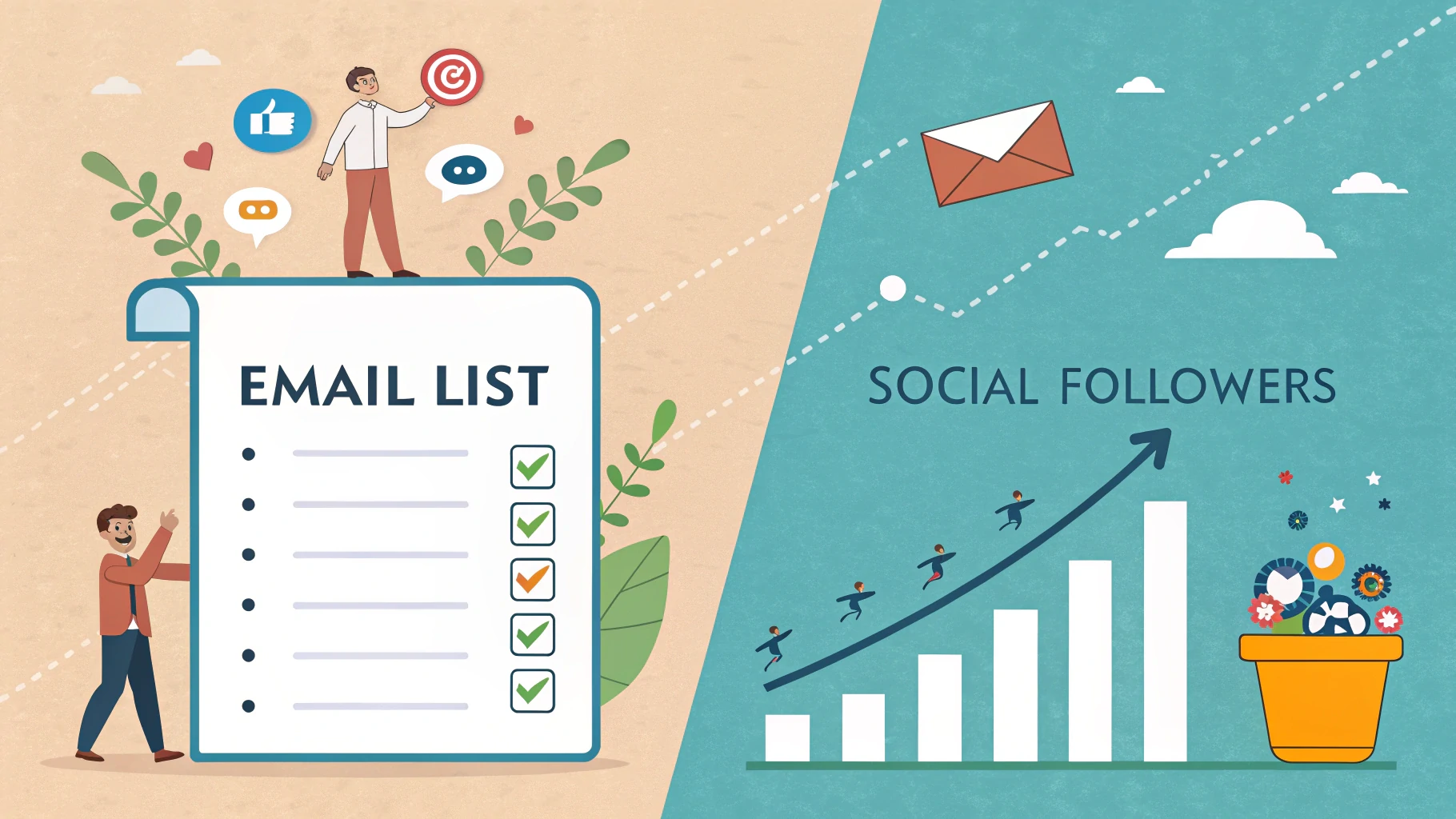
As businesses increasingly pursue effective strategies for revenue generation, the comparison of return on investment (ROI) between email marketing and social media becomes paramount. In 2025, data indicates that email marketing continues to outperform social media when it comes to generating monetary returns. Recent studies show that for every dollar spent on email marketing, businesses can expect an average ROI of $42, while social media platforms yield an average return of only $10 per dollar spent. This discrepancy highlights the importance of channel selection in a company’s marketing strategy.
The differences in ROI stem largely from the distinct nature of audience targeting and engagement strategies employed in each channel. Email marketing allows for highly personalized communication, enabling brands to segment their email lists and tailor content to specific demographics. This personalized approach leads to higher engagement rates and, consequently, improved conversion rates. In contrast, social media efforts often rely on broader outreach, focusing on attracting followers rather than directly targeting potential customers. This can dilute conversion opportunities and reduce overall financial performance.
Additionally, another critical factor influencing ROI is the nature of audience engagement. Email marketing boasts a higher average open rate of approximately 20% compared to social media platforms, where engagement is fleeting and often volatile. With email, businesses can establish a continuous relationship with their audience, fostering loyalty and repeat business. Such dynamics are key in crafting a successful revenue-generating strategy.
Furthermore, the conversion rates on email platforms significantly outpace those of social media, demonstrating that effective call-to-action techniques integrated within emails tend to lead to increased sales. This consolidated evidence suggests that for businesses seeking substantial financial returns, email marketing is likely to remain a more favorable choice than social media in 2025.
Trends Impacting Revenue Generation in 2025
As we look toward 2025, several critical trends are projected to substantially influence the revenue generation capabilities of both email marketing and social media channels. These trends highlight the evolving dynamics of consumer engagement and technological advancements, shaping the operational strategies of businesses. One of the most significant changes is the advancement in automation and personalization techniques. Brands are increasingly utilizing artificial intelligence (AI) to refine their outreach, delivering tailored content to the right audience segments at optimal times. According to market research, personalized emails can lead to significantly higher conversion rates, while social media platforms are enhancing their algorithms for user-targeted advertising, making these techniques a cornerstone of revenue strategies in 2025.
Additionally, the rise in mobile device usage continues to influence how consumers interact with marketing messages. With the majority of consumers accessing both emails and social media through their mobile devices, ensuring that content is mobile-friendly is paramount. This shift necessitates that marketers optimize their strategies to enhance user experience, enabling seamless interaction across all devices, thus driving higher engagement and, consequently, potential revenue.
Another vital trend is the changing consumer behavior, particularly the increasing demand for transparency and authenticity in brand communications. Today’s consumers are more discerning and prefer brands that demonstrate ethical practices and sustainability. This evolution compels marketers to adopt more genuine engagement strategies, focusing on building trust and long-term relationships with their audience.
Lastly, advancements in analytics are set to recalibrate performance measurement across both channels. Improved tracking capabilities will allow marketers to assess the effectiveness of their campaigns in real-time, facilitating quicker adjustments to enhance ROI. The integration of sophisticated analytics tools enables marketers to make data-informed decisions, ensuring that their strategies remain agile and efficient in a fast-paced market. Understanding these trends will be pivotal for marketers aiming to maximize revenue through email marketing and social media in the years ahead.
Conclusion: Strategic Implications for Businesses
As we look toward the future of marketing in 2025, it is clear that businesses must carefully assess their strategies to ensure they are maximizing their revenue potential. The ongoing debate between email marketing and social media as the more profitable channel has shown that both mediums possess unique strengths and weaknesses. Therefore, choosing between them should not be based solely on their individual merits but rather on how they can complement each other within an integrated marketing strategy.
When evaluating which channel to prioritize, companies should consider their target audience’s preferences and behavior. Email marketing typically serves well for personalized communication and has shown higher conversion rates. In contrast, social media excels in brand visibility and engagement. Each platform should be strategically leveraged, depending on the business goals and customer touchpoints. A robust email list can nurture interested leads, while social media can drive traffic to those email sign-ups, creating a synergistic effect.
Additionally, businesses should allocate resources wisely between the two channels. A balanced approach may involve investing labor and capital in developing compelling email campaigns while simultaneously crafting engaging social media content. Tools that streamline operations, such as marketing automation systems and integrated dashboards, can assist in coordinating these efforts for a seamless experience, thus enhancing overall effectiveness.
Finally, measurement and analysis should underpin any marketing strategy. Utilizing key performance indicators (KPIs) to assess the success of both email and social media campaigns will provide valuable insights. This data-driven approach enables businesses to fine-tune their efforts continually, ensuring they remain competitive and profitable as market dynamics evolve. In this way, a well-rounded marketing strategy in 2025, embracing both email and social media, will undoubtedly increase potential revenue streams and bolster overall business success.