

Understanding the Stock Market
The stock market serves as a vital component of the global economy, acting as a platform where shares of publicly traded companies are bought and sold. These shares, or stocks, represent fractional ownership in a company, allowing investors to gain a stake in the company’s profits and growth potential. It is essential to comprehend how the stock market operates and the foundational roles it plays in economic stability and growth.
The mechanics of the stock market can be divided into two primary segments: the primary market and the secondary market. The primary market is where new stocks are issued through initial public offerings (IPOs). This gives companies the chance to raise capital for expansion or other business needs by selling shares to the public for the first time. Once the stocks are issued, they can be traded in the secondary market, where existing shareholders sell their shares to other investors. This trading activity is what typically draws public attention to stock prices and market fluctuations.
Within the stock market, several key players facilitate transactions and ensure liquidity. Investors, including individuals and institutions, are the buyers and sellers of stocks. Brokers act as intermediaries, executing trades on behalf of investors and providing them with necessary market information. Market makers are crucial for maintaining market liquidity, as they continuously buy and sell stocks, ensuring that there are always shares available for investors looking to make a transaction.
In summary, understanding the stock market involves recognizing its critical role in the economy and the various mechanisms that enable it to function efficiently. Through the interplay of the primary and secondary markets and the involvement of investors, brokers, and market makers, the stock market provides opportunities for capital investment and economic growth.
Setting Clear Financial Goals
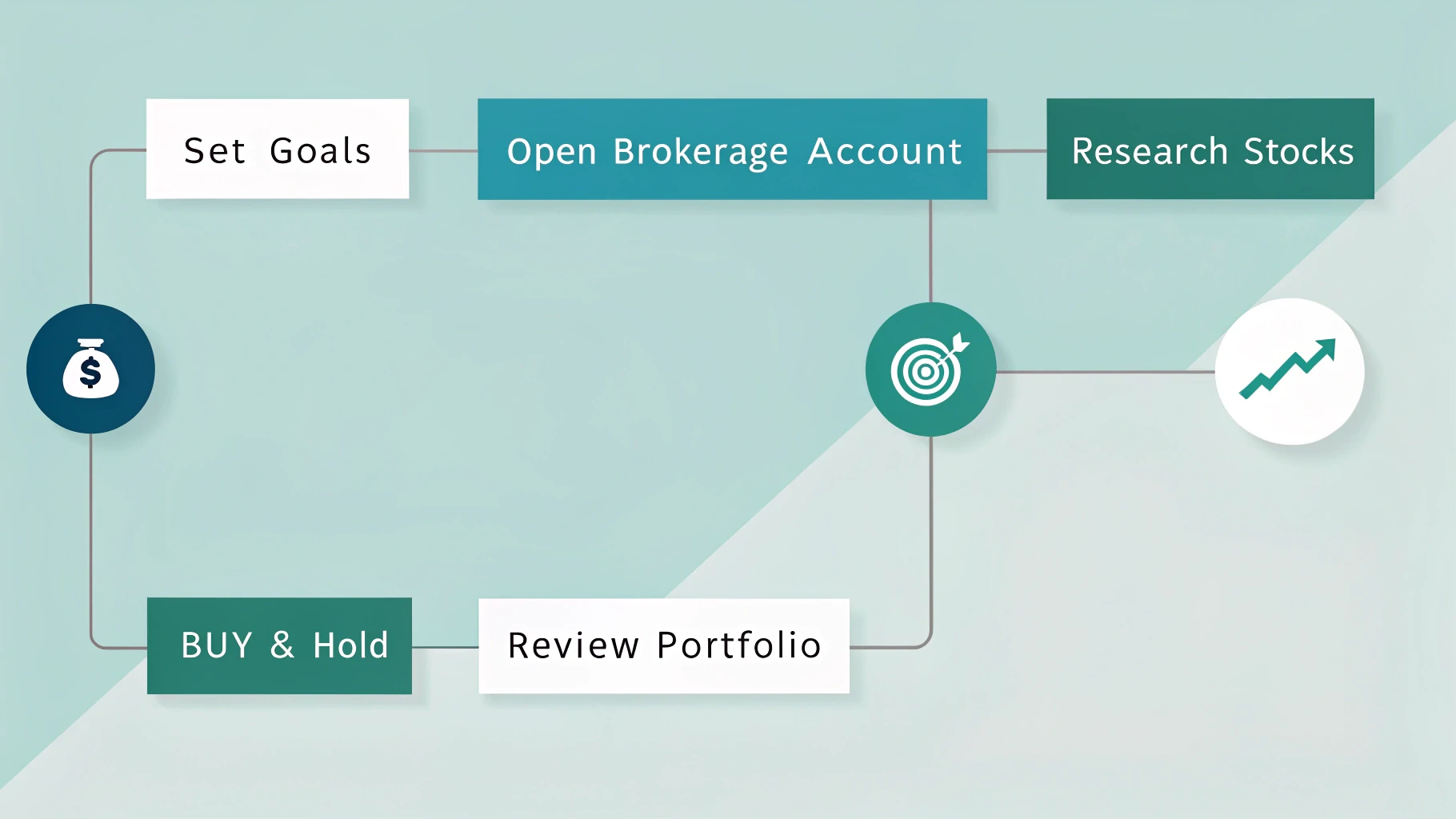
Before embarking on the journey of stock market investing, it is essential to establish clear financial goals. This foundational step significantly influences investment strategies and overall financial success. Investors should categorize their goals into three primary types: short-term, medium-term, and long-term objectives.
Short-term goals typically involve needs within a one to three-year timeframe, such as saving for a vacation or a significant purchase. These objectives usually require a conservative investment approach, emphasizing capital preservation and liquidity. Depending on one’s risk tolerance, an investor might consider low-risk assets or cash equivalents to achieve these short-term aspirations.
Medium-term goals, which span three to ten years, include aspirations like saving for a child’s education or a down payment on a house. For these goals, investors may opt for a balanced investment strategy, incorporating a mix of equities and fixed income securities to pursue growth while still managing risk.
Long-term goals extend beyond ten years and often relate to retirement planning, wealth accumulation, or establishing legacies. These objectives allow for a more aggressive approach, as investors can tolerate market fluctuations over an extended period. A higher allocation towards stocks may be advantageous in this case, as they typically yield greater returns in the long run.
To set realistic and achievable goals, individuals should assess their financial situation, including income, expenses, and existing savings. Understanding one’s risk tolerance—usually influenced by age, financial stability, and investment knowledge—also plays a critical role in this process. As a practical tip, it may be beneficial to use financial tools or apps to track progress towards these goals, enabling timely adjustments wherever necessary. By adopting a structured approach to goal setting, investors can ensure that their stock market investments align with their overall financial aspirations.
Choosing the Right Brokerage Account
When embarking on your stock market investment journey, selecting the appropriate brokerage account is a critical first step. There are primarily two categories of brokers: full-service brokers and discount brokers. Full-service brokers offer personalized investment advice, wealth management services, and portfolio management, making them a suitable choice for those who desire hands-on guidance. However, this personalized service typically comes with higher fees.
On the other hand, discount brokers provide a more budget-friendly option, enabling you to execute trades without extensive advisory services. They cater to self-directed investors who prefer to manage their portfolios independently. The rise of online trading platforms has revolutionized the brokerage landscape, allowing investors to buy and sell securities easily and at lower costs. These platforms generally offer user-friendly interfaces, research tools, and educational resources, making it simpler for beginners to enter the stock market.
When choosing a brokerage account, several factors must be considered. First and foremost, review the fee structure; commissions on trades, account maintenance fees, and withdrawal fees can significantly impact your returns. Next, evaluate the features offered by the brokerage, including mobile access, investment research, and educational materials. Customer support is another essential aspect; quality support can help novice investors navigate challenges effectively.
Opening a brokerage account is a straightforward process. You will generally need to provide personal information, such as your social security number, employment details, and financial background. Most brokerages will also require identification, like a driver’s license or passport, to verify your identity. Through careful consideration of the factors mentioned and following the outlined steps, you can confidently choose the right brokerage account that aligns with your investment goals.
Building a Diversified Portfolio and Avoiding Common Mistakes
Creating a diversified portfolio is crucial for any beginner investing in the stock market, as it serves to mitigate risk while maximizing potential returns. Diversification involves spreading investments across various asset classes, including stocks, bonds, and mutual funds. This approach helps ensure that adverse movements in one asset class do not unduly impact the overall portfolio. By incorporating different sectors and geographical regions, investors can balance their assets and reduce volatility.
When it comes to asset allocation, it is important to understand the characteristics and risks associated with each asset class. Stocks generally offer higher potential returns but come with increased risk, particularly in the short term. On the other hand, bonds tend to be more stable but offer lower returns, making them suitable for risk-averse investors. Mutual funds can provide a convenient means of diversifying investments since they pool money from many investors to purchase a wide range of securities. By balancing these various investment options, a beginner can create a portfolio aligned with their financial goals and risk tolerance.
While building a diversified portfolio, investors must steer clear of common mistakes that can derail their investment journey. One frequent pitfall is emotional trading, where decisions are driven by fear or excitement rather than rational analysis. Additionally, failing to conduct thorough research before investing can lead to poor choices. Beginners often neglect to review their portfolios regularly, missing opportunities to rebalance their investments or adjust their strategies in response to market changes. Implementing practical strategies, such as dollar-cost averaging—investing a fixed amount at regular intervals—can enhance investment discipline and foster wealth accumulation.
Moreover, understanding key concepts like risk versus reward and the power of compound interest can empower beginners to make informed decisions. As individuals embark on their investment journeys, prioritizing diversification and staying mindful of common mistakes will create a robust foundation for their financial future.